


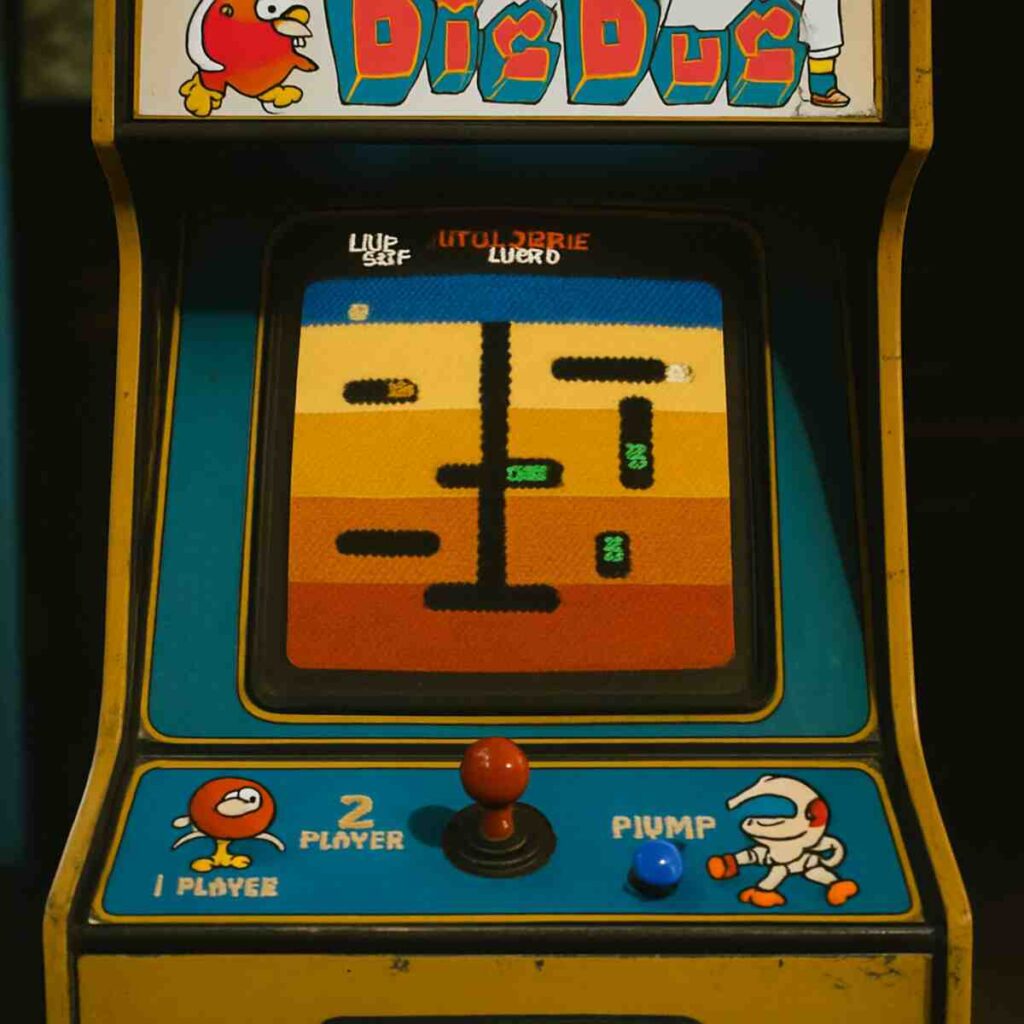
In the pantheon of classic arcade games, Dig Dug stands as a testament to the innovative spirit of early video gaming. This iconic title, first released by Namco in 1982, has captivated generations of gamers with its unique gameplay and charming graphics. As we delve into the evolution of Dig Dug, we will explore how this game has transitioned from its arcade roots to various digital platforms, maintaining its relevance in the ever-changing landscape of the gaming industry. Check out olxtoto to know more
The original Dig Dug game was launched in the golden age of arcade gaming, a time when pixelated graphics and simple yet addictive mechanics captured the imagination of players worldwide. The premise of Dig Dug is deceptively simple: players control a character named Dig Dug, tasked with eliminating subterranean monsters by inflating them until they burst or by crushing them with rocks. This straightforward yet engaging gameplay quickly became a staple in arcades.
Gameplay Mechanics and Innovations
Dig Dug’s gameplay mechanics were revolutionary for its time. Players navigated a multi-layered underground environment, strategically digging tunnels to outmaneuver enemies. The strategic depth required players to plan their moves carefully, as they had to anticipate enemy movements and use the environment to their advantage. This level of strategy was rare in arcade games of the era, setting Dig Dug apart from its contemporaries.
The introduction of strategic elements uncommon in other arcade titles required players to think several moves ahead to trap and defeat foes. Players had to make split-second decisions, balancing the risks of pursuing multiple enemies with the rewards of clearing levels efficiently. This blend of action and strategy contributed significantly to Dig Dug’s enduring appeal, as it provided a dynamic and challenging experience each time.
Additionally, Dig Dug featured a unique scoring system that rewarded players for creative gameplay. Points could be maximized by crushing multiple enemies with a single rock or inflating foes in rapid succession. This encouraged players to experiment with different tactics, adding another layer of engagement and replayability to the game.
Cultural Impact and Popularity
The cultural impact of Dig Dug cannot be overstated. It became one of the most recognizable games of the 1980s, contributing to the arcade boom. The game’s release coincided with a period when arcades were a central hub for social interaction and entertainment, allowing Dig Dug to reach a wide and diverse audience.
Its success was not limited to Japan, where it was developed, but quickly spread to North America and Europe, cementing its status as a beloved classic. The game’s catchy theme music and distinctive sound effects became ingrained in the memories of countless players. These audio elements, along with the game’s colorful graphics, created an immersive experience that resonated with players long after they left the arcade.
Moreover, Dig Dug’s popularity was fueled by its appearances in popular media and competitions. It was featured in gaming magazines, television shows, and even inspired merchandise, solidifying its place in popular culture. This widespread recognition helped to maintain its status as a must-play title throughout the 1980s and beyond.
Transitioning to Home Consoles

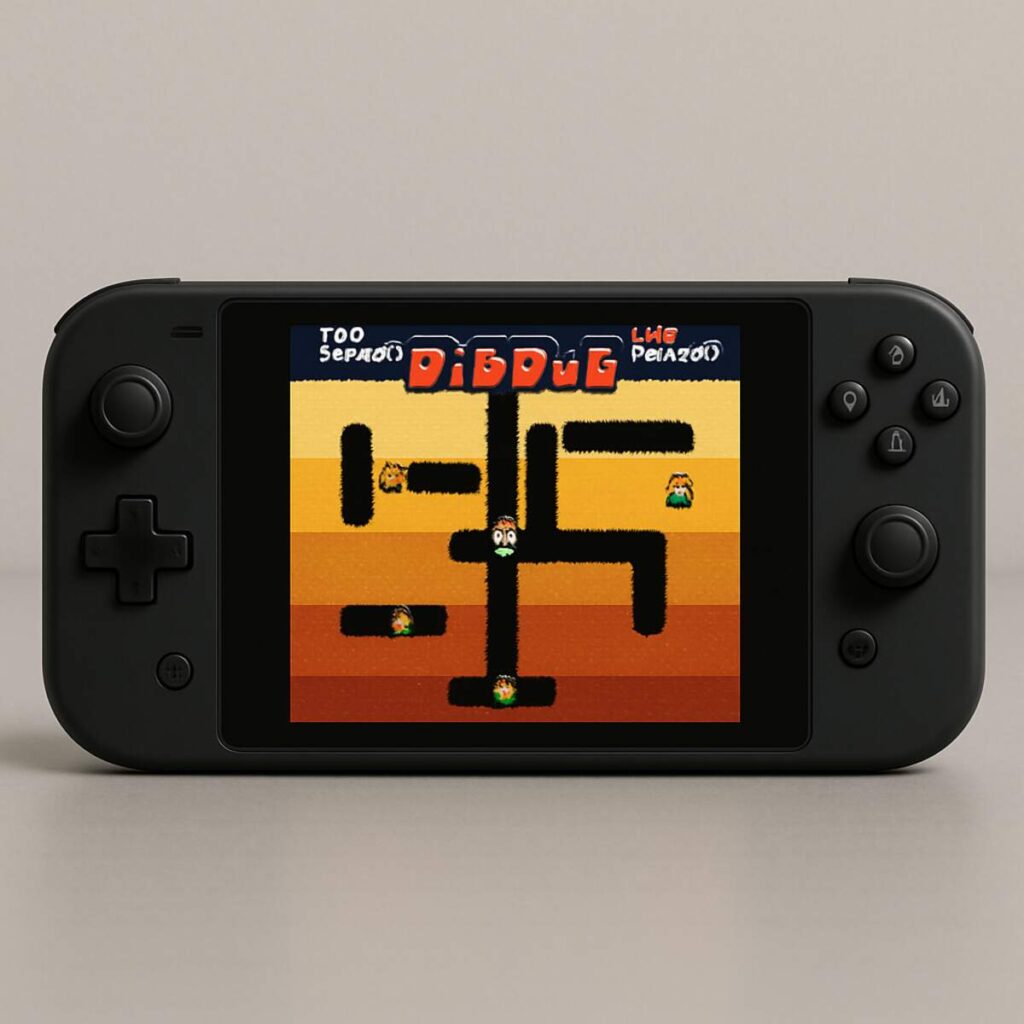
As the home console market expanded, Dig Dug found new life on platforms such as the Atari 2600, Intellivision, and the Nintendo Entertainment System (NES). These adaptations allowed players to enjoy the game outside of the arcade, bringing its addictive gameplay to living rooms worldwide.
Challenges in Adaptation
Transitioning a game designed for arcade machines to home consoles was no small feat. Developers had to contend with the limited graphical and processing capabilities of early home systems. This required them to creatively adapt the game’s visuals and mechanics, ensuring that the essence of Dig Dug was preserved despite the technical limitations.
Despite these challenges, the core mechanics and charm of Dig Dug were successfully preserved, ensuring its continued popularity among home gamers. Developers focused on maintaining the game’s strategic elements and iconic features, such as its distinctive sound effects and music, which were crucial in retaining the game’s original appeal.
In addition to graphical considerations, developers had to adapt the control schemes to suit home consoles. This required thoughtful design to ensure that the game’s responsiveness and playability were not compromised, enabling players to experience the same level of engagement and satisfaction as they did in arcades.
Expanding the Audience
The move to home consoles significantly expanded Dig Dug’s audience. Families who might not have frequented arcades could now experience the game’s thrill at home, introducing a new generation to its strategic gameplay. This transition was pivotal in solidifying Dig Dug’s legacy in gaming history.
Home consoles provided a platform for multiplayer experiences, allowing family members and friends to take turns playing or compete for high scores, fostering a sense of camaraderie and competition. This social aspect contributed to the game’s popularity and helped it become a household name.
Furthermore, the accessibility of home consoles allowed Dig Dug to reach audiences in regions where arcades were less prevalent. This global reach helped to cement its status as an enduring classic, with fans spanning different cultures and generations, all united by their love for the game.
Innovations in Home Versions
The adaptation of Dig Dug for home consoles also led to innovative features and enhancements. Some versions introduced new levels, updated graphics, or additional gameplay modes, providing fresh challenges for players. These innovations kept the game exciting and relevant, attracting both new players and seasoned fans.
Developers often incorporated feedback from the gaming community, using it to refine and improve the home versions of Dig Dug. This iterative process contributed to the game’s ongoing success, as players appreciated the attention to detail and commitment to delivering a high-quality gaming experience.
Overall, the transition to home consoles marked a significant milestone in Dig Dug’s history, ensuring that its legacy would continue to flourish in the rapidly evolving world of video games.
Dig Dug in the Digital Age
With the advent of the internet and mobile technology, Dig Dug has continued to evolve, adapting to new platforms and gaming trends. The game is now available online, allowing players to enjoy the classic experience from their computers or mobile devices.
Online and Mobile Adaptations
The digital age has seen numerous adaptations of Dig Dug, including browser-based versions and mobile apps. These iterations often introduce enhanced graphics, new levels, and additional features while retaining the core gameplay that made the original so beloved. The availability of Dig Dug online has made it accessible to a broader audience, ensuring its continued relevance in modern gaming culture.
Mobile versions of Dig Dug have introduced touch controls, optimizing the game for smartphones and tablets. This has allowed players to enjoy the game on the go, making it a convenient option for quick gaming sessions. The portability and accessibility of mobile versions have contributed to the game’s enduring popularity.
In addition to mobile adaptations, Dig Dug has been reimagined for modern gaming consoles and PC platforms. These versions often feature updated graphics and soundtracks, breathing new life into the classic game while preserving its nostalgic charm. The availability of Dig Dug across multiple platforms has enabled it to reach a diverse audience, spanning different age groups and gaming preferences.
The Role of Nostalgia
Nostalgia plays a significant role in Dig Dug’s enduring popularity. Many players who grew up with the original arcade game now seek out modern versions to relive their childhood memories. This nostalgic appeal has been a driving force behind the game’s sustained success, as developers continue to release updates and new iterations that pay homage to the original while introducing contemporary enhancements.
The game’s nostalgic elements are often highlighted in marketing campaigns, appealing to both longtime fans and new players who are curious about the classic gaming experience. This strategy has proven effective in maintaining interest and engagement with the game over the years.
Furthermore, nostalgia has fostered a sense of community among Dig Dug fans, with online forums and social media groups dedicated to sharing memories, high scores, and fan art. This vibrant community has helped keep the spirit of Dig Dug alive, bridging the gap between the past and the present, and ensuring that the game remains a beloved classic for generations to come.
Modern Gaming Trends
Dig Dug’s adaptation to modern gaming trends has been instrumental in its continued success. The game has embraced features such as online leaderboards, achievements, and multiplayer modes, enhancing the overall player experience and fostering a competitive spirit among fans.
The integration of social media sharing has allowed players to showcase their achievements and connect with other fans, further strengthening the community around the game. These modern features have kept Dig Dug relevant in an increasingly digital and connected world, ensuring that it remains a staple in the gaming landscape.
By embracing modern gaming trends, Dig Dug has managed to stay ahead of the curve, proving that classic games can evolve and thrive alongside new titles. This adaptability has cemented its status as a timeless classic, beloved by players of all ages and backgrounds.
The Legacy of Dig Dug
The legacy of Dig Dug is evident in its influence on subsequent generations of games and its enduring fanbase. The game’s unique blend of action and strategy has inspired countless developers and continues to be a benchmark for creativity in game design.
Influence on Game Design
Dig Dug’s innovative mechanics have left a lasting impact on game design. Its strategic gameplay elements have been emulated and expanded upon in numerous titles, demonstrating the timeless appeal of its core concepts. The game’s success has also highlighted the importance of balancing simplicity with depth, a principle that remains relevant in game development today.
Game developers often cite Dig Dug as an inspiration, acknowledging its influence on the design of puzzle and strategy games. The game’s emphasis on planning and tactics has been reflected in a variety of genres, from platformers to real-time strategy games, showcasing its versatility and enduring relevance.
Dig Dug’s legacy in game design is further evidenced by its continued presence in gaming education and development courses. Aspiring developers study the game to understand its mechanics and design principles, using it as a model for creating engaging and innovative gaming experiences.
Community and Fandom
The Dig Dug community remains active, with dedicated fans celebrating the game through online forums, fan art, and competitive play. This vibrant community has helped keep the spirit of Dig Dug alive, fostering a sense of camaraderie among players who share a love for this classic title.
Fan-organized tournaments and events provide opportunities for players to compete and connect, further strengthening the bonds within the community. These events often feature high-stakes competitions and prize pools, attracting both seasoned veterans and newcomers eager to test their skills.
The community’s enthusiasm is also reflected in the creation of fan-made content, such as remixes of the game’s soundtrack and custom levels. This creative expression has enriched the Dig Dug experience, allowing fans to contribute to the game’s legacy and ensuring its continued relevance in the gaming world.
Celebrating a Timeless Classic
Dig Dug’s journey from a pioneering arcade game to a beloved digital classic is a testament to its timeless appeal and innovative design. As it continues to evolve, Dig Dug remains a cherished part of gaming history, captivating new audiences while retaining the affection of its original fans.
The game’s enduring popularity is a powerful reminder of the impact that classic games can have on the industry, inspiring future generations of developers and players alike. As we look to the future, it is clear that this iconic game will continue to inspire and entertain, proving that great games, much like great stories, are timeless.
Through its innovations, community, and lasting influence, Dig Dug has solidified its place in the annals of gaming history. Its legacy continues to shape the industry, reminding us of the power of creativity and the enduring appeal of classic games in an ever-changing digital landscape.