
Online Therapy Games: A New Healing Approach
We use apps to track our steps, learn a new language, and order groceries. So what if you could use a game to level-up your mental health? A new field of online therapy games is changing how we approach well-being by turning proven therapeutic techniques into engaging, interactive experiences. Unlike games played for pure distraction, these specialized tools are designed to build real-world skills. They create a safe space where you can practice navigating difficult emotions and challenging thought patterns, all from the privacy of your own screen. Learn the best info about casino zonder cruks ideal.
Imagine feeling overwhelmed. Instead of endlessly scrolling through social media, you open an app that presents a short game designed to help you understand why you feel that way. Many of these mental health activities work by transforming established therapeutic approaches—the same ones used by counselors—into simple, guided challenges that help you build resilience one step at a time. It’s time to see how digital play is opening new doors to feeling better.
What’s the Difference Between a “Therapeutic Game” and a Regular Game?
How is a “therapeutic game” any different from the puzzle or adventure games already on your phone? While any game can offer a welcome distraction, therapeutic games are built with a specific purpose beyond just entertainment. Think of it as the difference between taking a casual walk to clear your head and training with a coach to run a marathon. Both are helpful, but one is designed to systematically build a specific skill.
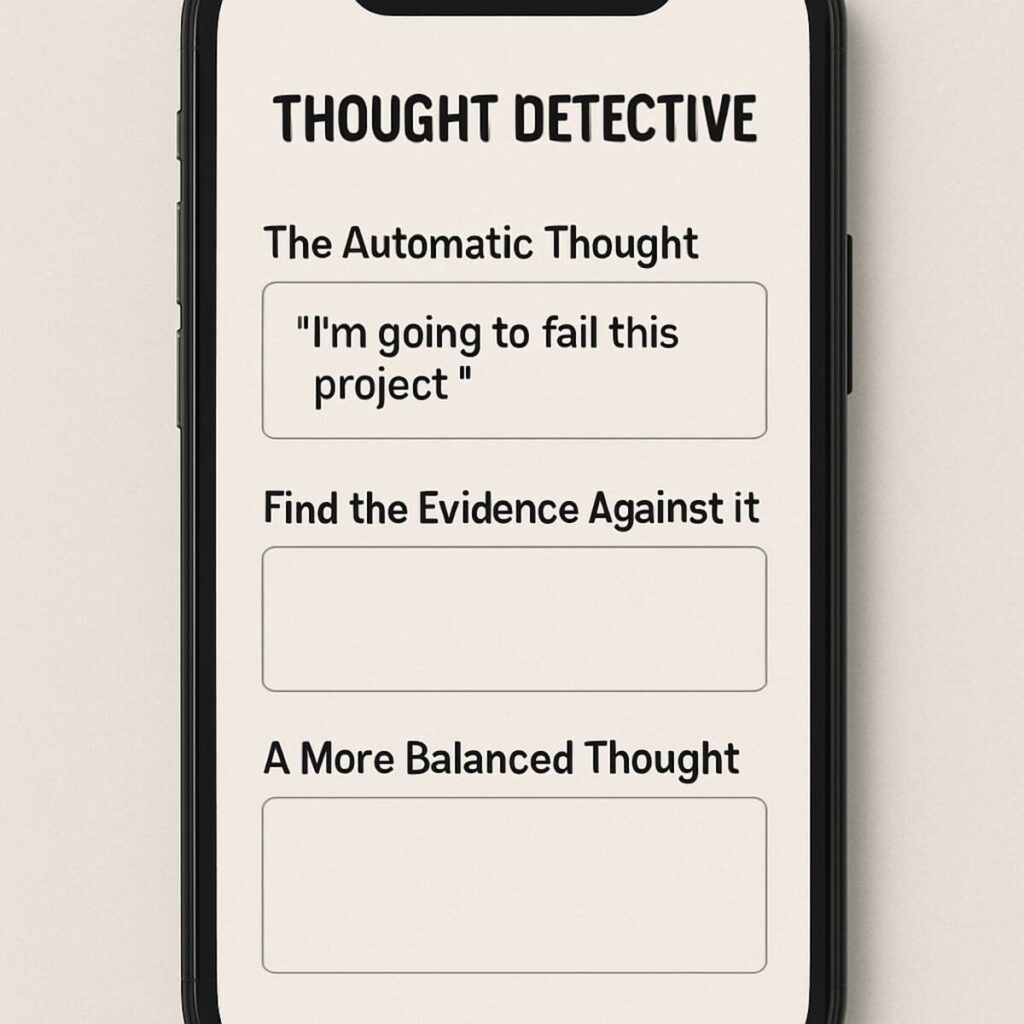
The secret ingredient is clinical psychology. These games aren’t just made by developers; they are often co-created with therapists and researchers. Many are based on proven techniques like Cognitive Behavioral Therapy (CBT), a common approach that helps people learn to identify and challenge unhelpful thought patterns. Instead of just reading about this technique, the game turns it into an interactive task—like playing a “thought detective” to find evidence for or against a worry.
Ultimately, the goal of the game changes. In a typical mobile game, you win by clearing a level or earning points. In a therapeutic game, you “win” by learning a new coping skill you can use long after you’ve closed the app. The objective isn’t to master the game; it’s to use the game to better master the challenges of your own life.
How Can Playing a Game Actually Improve Your Mental Health?
How does tapping on a screen translate to feeling better in the real world? The answer isn’t about magic, but practice. Therapeutic games create a kind of “mental sandbox” where you can try out new skills without the pressure of real-world consequences. Think of it like a flight simulator for social situations; you can practice navigating a tricky conversation in the game, learn what works, and build confidence before you ever have to say a word to anyone.
Beyond providing a safe space, these games are designed to keep you engaged. Let’s be honest—practicing new mental health habits can sometimes feel like a chore. By incorporating familiar game elements like points, progress bars, and rewarding challenges, therapeutic tools make the work feel more like a quest. This small boost of motivation can be the difference between sticking with a new skill long enough for it to become a habit and giving up after a few days.
They also make abstract advice concrete. A therapist might suggest you “challenge your negative thoughts,” but what does that actually look like in the moment? A game can turn that instruction into a tangible activity. For instance, you might play a mini-game where you physically sort thoughts into “helpful” and “unhelpful” piles, earning points for identifying the cognitive patterns you want to change. It transforms a difficult mental exercise into a clear, interactive task.
By combining a safe place to practice, game-like motivation, and concrete actions, these tools help you build real-world resilience one level at a time. This unique blend of play and purpose is effective for adults, but it’s proving to be especially powerful for kids and teens.
For Kids and Teens: Turning Therapy into an Adventure
Asking a child to describe a big feeling like anxiety can be like asking them to explain a color they’ve never seen. They feel it, but they often lack the words to express it. This is where interactive play becomes a powerful translator. Instead of relying only on conversation, a therapist can use a game to understand a child’s inner world through their actions. The choices a teen makes in a story-based adventure or the way a child solves a puzzle can say far more than words ever could.
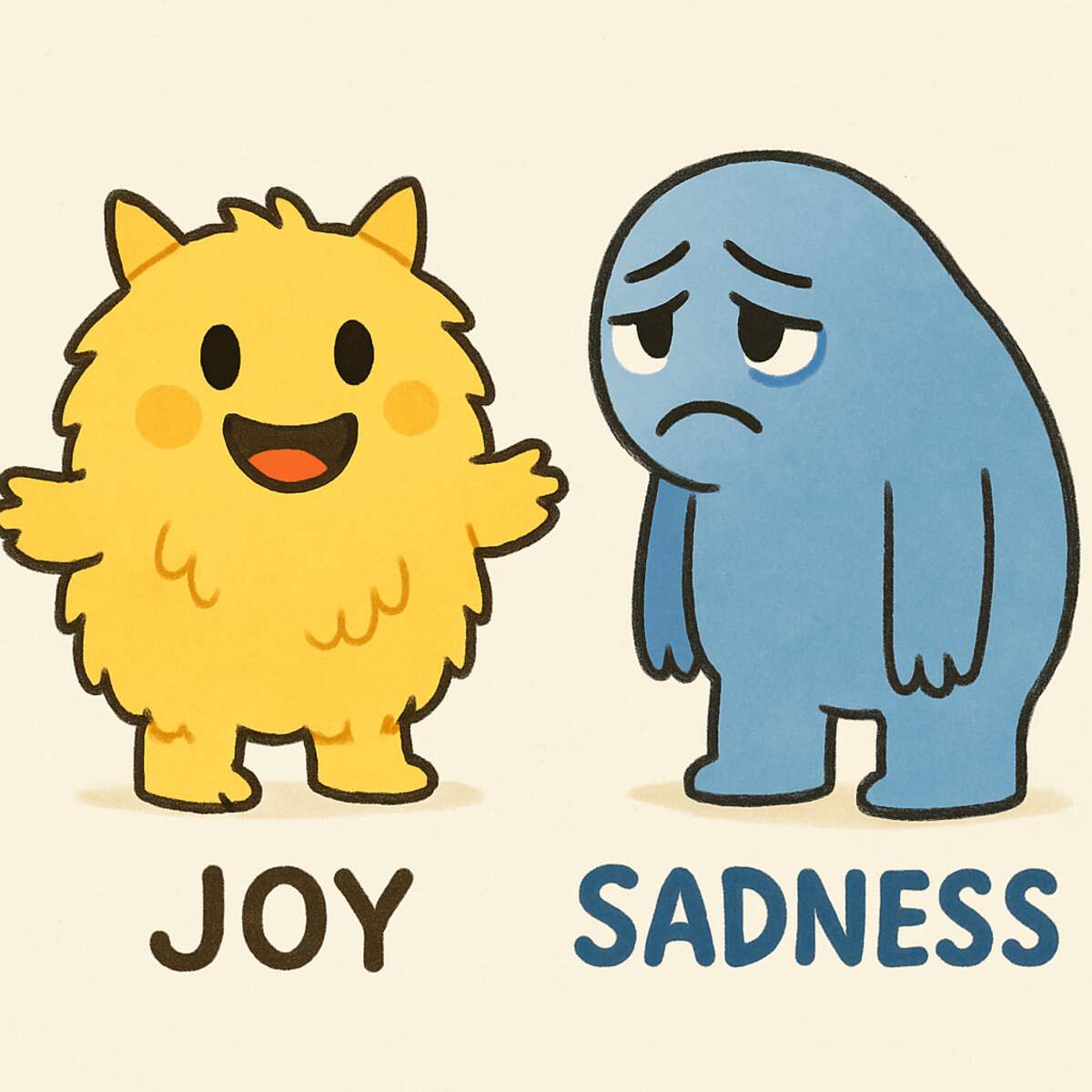
These games also offer a perfect training ground for emotional literacy—the crucial skill of simply naming what you feel. Imagine a game with friendly “Emotion Monsters,” where a blue, droopy creature represents sadness and a bouncy, yellow one represents joy. By interacting with these characters, a child learns to connect a feeling to a name and an image. This simple act of identifying an emotion is the first step toward understanding and managing it, making these some of the best virtual counseling activities for kids.
Perhaps most importantly, this approach makes therapy feel less like a clinical appointment and more like a shared adventure. A guide to digital play therapy isn’t about replacing the therapist; it’s about giving them a better way to connect. When the focus is on completing a quest or building a virtual world together, the pressure and stigma of “being in therapy” can melt away, creating a safe, engaging space for healing and growth.
Are There Really Therapeutic Games for Adults?
While play is a natural language for children, the principles of interactive skill-building are just as powerful for adults. Therapeutic video games for anxiety or stress aren’t about cartoon monsters; they’re designed to tackle real-world challenges like performance pressure at work, navigating social situations, or breaking out of a cycle of negative thinking.
For many, one of the biggest appeals is privacy. Practicing mental wellness skills can feel vulnerable, and these games offer a discreet space to do it—on your phone during a lunch break or on your tablet after a long day. Instead of carving out time for a formal exercise, you can integrate skill-building directly into your routine, making self-care feel more manageable and less like another task on your to-do list.
Many games are based on a proven method called Cognitive Behavioral Therapy (CBT), which helps you identify and question unhelpful thought patterns. A game might turn this into a mission where you become a “thought detective.” When an automatic negative thought pops up—like “I’m going to fail this project”—the game prompts you to find evidence against it and reframe it into a more balanced perspective. These gamified CBT activities online turn an abstract mental exercise into a concrete, interactive challenge.
These tools aren’t meant to replace a therapist but to supplement the work you do on your own. By turning psychological principles into engaging experiences, they provide a powerful way to build mental resilience one level at a time.
Beyond Anxiety: The Surprising Range of Digital Therapy Tools
While managing stress is a huge benefit, the world of therapeutic gaming is surprisingly diverse. The same principles of making practice engaging and rewarding can be applied to a wide array of personal development goals, with digital tools designed to build very specific skills in a low-pressure environment.
A great example is in speech therapy. For both children and adults, practicing articulation can involve repetitive and sometimes frustrating drills. However, many speech therapy online games turn this work into a fun activity. A game might ask a player to make a certain sound to move a character or solve a puzzle, providing instant, positive feedback that encourages continued practice. This transforms a chore into an interactive quest.
Ultimately, these platforms are about building a versatile mental and behavioral toolkit. Whether it’s for managing difficult feelings or developing a new skill, they provide a structured way to practice. Some of the most common areas these apps for building coping skills target include:
- Emotional Regulation: Learning to identify and manage feelings like anger or frustration.
- Speech and Language: Practicing sounds, vocabulary, and conversational skills.
- Attention and Focus: Using challenges to improve concentration.
- Coping Strategies: Building a go-to list of actions for handling stressful moments.
With such a wide variety of digital tools for emotional regulation and skill-building, a common question arises: are these designed to be used on your own, or do they require professional guidance?
Do I Need a Therapist to Use These Games?
This question clarifies the true purpose of these tools. While some wellness games can be used alone for stress relief, the most powerful serious games for mental health are designed to be a supplement to therapy, not a substitute for it. Think of the game as a practice field; it’s where you can safely build skills. The therapist, then, acts as your coach, providing strategy, interpreting the results, and helping you apply those skills to your real life.
With a therapist’s guidance, these games become far more than just a diversion. A professional can use your progress in the game as a unique window into what’s happening between appointments. Instead of relying only on what you remember to discuss, they can see where you excelled or where you got stuck. Many telehealth interactive resources for therapists are built around this idea, allowing them to make sessions incredibly focused by tailoring conversations to the exact skills you’re working on.
Ultimately, these games create a bridge between you and your therapist. It can be difficult to find the right words to describe a feeling. The game provides a shared, concrete activity to talk about. Instead of saying, “I felt anxious,” you can say, “I had trouble with the game’s level on challenging negative thoughts.” This common language makes it easier to explore challenges and is a key reason digital therapy activities are effective as part of a larger support plan.
How to Find a Good Therapeutic Game (and Avoid Gimmicks)
With thousands of apps claiming to boost your well-being, it can be tough to tell which are genuinely helpful. Finding effective interactive mental wellness tools doesn’t have to be a guessing game, though. A simple checklist can help you spot the difference between a fun-but-empty experience and a truly therapeutic one.
First, look past the flashy graphics and ask about the goal. A good therapeutic game will focus on teaching you a transferable skill, not just providing a momentary escape. This is the main distinction in the debate of mental health apps vs therapeutic games: one teaches you how to cope, while the other just helps you forget for a minute. Look for descriptions that mention being based on proven methods like Cognitive Behavioral Therapy (CBT) or mindfulness. This is a sign the game is built on a solid foundation.
Beyond the science, consider engagement and privacy. The most effective tool is the one you’ll actually use, so ask yourself: Does this look like something I’d want to do regularly? Finally, and most importantly, always check the privacy policy. You’re interacting with a health-related app, and you deserve to know exactly how your data is being handled and protected before you press “start.”
By checking for a clear skill-building goal, a scientific basis, real engagement, and a strong privacy policy, you can choose apps that offer real value for your mental health journey.
Your Next Quest: Integrating Digital Tools into Your Wellness Journey
Online therapy games are not simple distractions but structured mental health activities. They turn proven techniques into interactive tools for building coping skills in a safe, accessible way. Now that you know how they work, you may be wondering where to begin.
Remember that these games aren’t a magic cure but rather one promising new tool for your mental wellness toolkit. They work best when they supplement other healthy habits, like good sleep, exercise, and connecting with people you trust. The key is to start small and see them as a way to practice, not to achieve perfection.
Your first quest, should you choose to accept it, is simple. Don’t try to solve everything at once. Just identify one small skill you’d like to practice—maybe it’s three minutes of mindful breathing or challenging one anxious thought. Then, spend ten minutes this week searching for an app or game that focuses only on that. Try it once. That’s a win.
The goal isn’t to find the “perfect” game or master a skill overnight. Like any good game, progress comes one level at a time. By taking that first small step, you are actively exploring a new and powerful way to care for your mind by turning practice into play.