Top Variations of Rich Man Poor Man
Ready to deal a round of Rich Man, Poor Man? The beauty of this game—also known as President or Scum—is its simplicity. You can start playing right now with just a standard deck of cards and a few friends. To ensure the game is balanced for your group size, here is a quick guide on setting up for the most fun experience. Check out alternatif republik365 to know more
While you can technically play with three, most groups find the sweet spot for this classic shedding-type card game is between four and seven players. The key is to make sure everyone has enough cards to make strategic moves. Just follow this simple rule of thumb for your player count:
- 3 to 5 Players: Use 1 standard 52-card deck.
- 6 to 8 Players: Use 2 standard 52-card decks, shuffled together.
Forgetting Poker Ranks: The Unbeatable Card Hierarchy in ‘Scum’
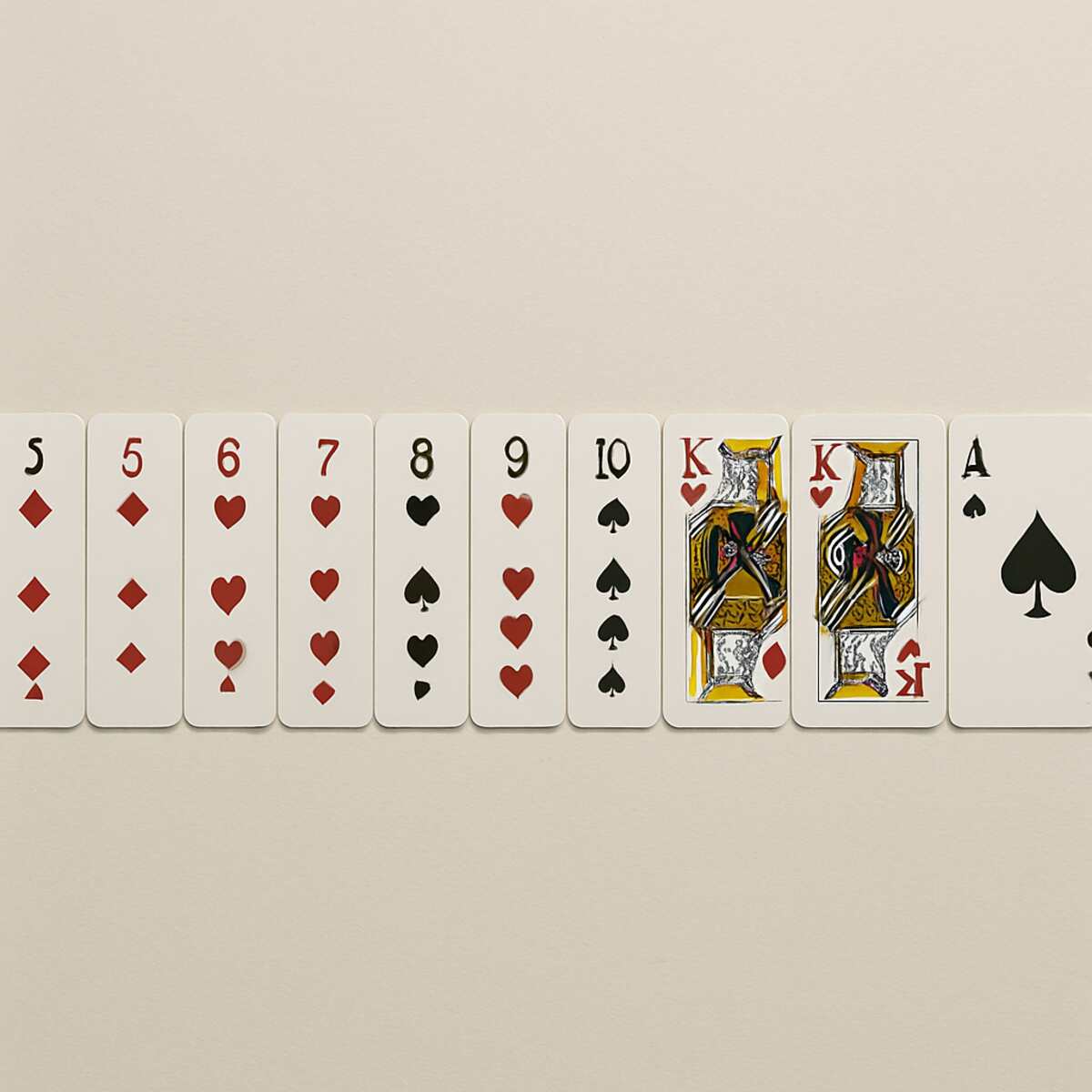
One rule forms the foundation of the President card game: its unique card hierarchy. Forget the rankings from Poker; here, the power is turned on its head. The humble 3 is the lowest card, and from there, the power climbs numerically: 4, 5, 6, and so on.
The ranking continues up through the Jack, Queen, and King, with the Ace sitting near the top. But here’s the game-changing twist: the most powerful card in the entire deck is the 2. A single 2 can beat any other card, even an Ace. As the lineup below illustrates, the 2 sits alone at the very peak of power. Equally important, suits (hearts, clubs, etc.) are completely irrelevant—a 5 is a 5, no matter the symbol.
(Image: A sequence of cards laid out, from left to right: 3, 4, 5, 6, 7, 8, 9, 10, J, Q, K, A, 2)
This unique card ranking makes the 2 your ultimate weapon. Holding a 2 gives you the power to take control of the game at a critical moment. Playing it at the right time can mean the difference between getting rid of your cards first or being stuck at the bottom.
How to Play Your Turn: The Core Rules of a ‘Trick’
The player holding the 3 of Clubs typically starts the game by playing that card. This begins the first “trick,” which is one round of play where everyone gets a turn. The person who leads the trick decides what kind of card combination will be played. They can play:
- A single card (e.g., one 7)
- A pair of matching cards (e.g., two 9s)
- A triple set (e.g., three Queens)
- A quadruple set (e.g., four 4s)
Once the first player has played their card or set, the turn passes to the next player. The rule is simple: you must play a higher-ranking set of the exact same type. For example, if the first player leads with a pair of 8s, you must play a pair of 9s or higher. You cannot play a single King or a triple 4s on top of a pair. If you can’t play a higher set or you simply don’t want to use your powerful cards yet, you just say, “Pass.”
This sequence continues around the table until every player has passed. The person who played the last (and highest) card wins that trick. They collect no cards; their reward is control. They now get to start the next trick by leading with any single, pair, or set they choose. Winning tricks is the best way to get rid of your cards and dictate the flow of the game. This cycle of playing, passing, and winning tricks continues until one player triumphantly plays their very last card.
How a Round Ends and the First ‘Rich Man’ Is Crowned
Playing that final card feels great, because it means you’ve just won the round! The first player to successfully empty their hands is immediately crowned the “Rich Man” (or “President”). For the rest of the round, your work is done—you can sit back, relax, and watch the chaos unfold as everyone else scrambles to get rid of their cards.
For the other players, the game is far from over. Play simply continues with whoever is left, following the exact same rules for playing tricks. The next person to run out of cards finishes in second place, the one after that gets third, and so on. This process establishes a full finishing order, which is crucial. The goal now isn’t just to win, but to avoid being the very last one standing.
Eventually, the drama concludes when only one player is left holding cards. This unfortunate soul earns the title of “Poor Man” (or in more competitive versions, simply “Scum”). In the Rich Man, Poor Man card game, these titles are more than just for bragging rights. This new hierarchy, from the powerful winner down to the struggling loser, sets the stage for a major power shift before the next hand is even dealt.
The Power Shift: How Card-Swapping Creates Kings and Paupers
Earning the title of “Rich Man” or “Poor Man” is where the real fun begins, because these roles directly impact the next round of play through a game-changing card exchange. This trade is a core feature found in all versions of the game, regardless of name.
Before the next round starts, the Rich Man reaps their reward. The player who finished last, the Poor Man, must look at their newly dealt hand and hand over their single best card to the winner. If the Poor Man was dealt a powerful King, they have no choice but to give that card directly to the Rich Man, making the winner’s hand even stronger.
Of course, a trade goes both ways. In return, the Rich Man gets to offload their single worst card onto the Poor Man. The Rich Man looks through their own hand, finds a uselessly low card like a 3 or 4, and gives it to the last-place player. In larger groups, you’ll often see other roles, where the second-place player (“Vice-President”) and second-to-last player also exchange one card, reinforcing the hierarchy.
This card swap, which happens after the deal but before the first play, stacks the deck in favor of the winner and makes it a challenge for those at the bottom to climb out. This makes the Rich Man’s job easier and the Poor Man’s struggle very real.
First-Timer Strategy: What to Do When You’re the Poor Man
Finding yourself at the bottom with a hand full of low cards can feel hopeless, but your goal isn’t to become the Rich Man in one giant leap—it’s simply to avoid being last again. The most effective strategy is to seize small victories. If you win a trick and get to lead the next play, don’t try to be fancy. Immediately play your lowest single card, like that 4 the Rich Man gave you. It might feel anticlimactic, but you’ve successfully shed a useless card while everyone else is still holding theirs.
Another common trap is holding onto pairs too tightly. Imagine someone plays a single 6. You don’t have any single cards that can beat it, but you do have a pair of 10s. Your instinct might be to pass and save your pair for later. However, a smarter piece of strategy is often to break that pair and play one of the 10s on the 6. Playing one card is always better than playing zero cards. You can’t afford to fall further behind by passing when you have a legal move.
Ultimately, your entire focus is survival. Seize every chance to play a card, even if it means breaking up a decent set. As long as one other person is left holding cards after you’ve emptied your hand, you’ve succeeded. This constant struggle is central to the game’s fun, but if your group finds the power gap too punishing, you can always tweak the rules.
Variation #1: Tweaking the Power Dynamic with More Cards
Does it feel like the Rich Man has it too easy, or that the Poor Man’s struggle isn’t quite challenging enough? One of the most common variations of the President card game is to adjust how many cards are exchanged. Instead of just a one-card swap, you can ramp up the consequences.
The most popular house rule expands the exchange to involve the second-place and second-to-last-place players (often called the “Vice-President” and “Vice-Scum”). In this version, the trading looks like this:
- The Rich Man and Poor Man trade two cards (the Poor Man’s two best for the Rich Man’s two worst).
- The Vice-President and Vice-Scum trade one card.
This change makes the hierarchy much steeper. If your group wants to simplify things, another option is to have only the Rich Man and Poor Man trade two cards, while the middle players don’t trade at all. Experimenting with these rules is part of the fun, but changing the card count isn’t the only way to spice things up.
Variation #2: Introducing Jokers as Wild Cards or ‘Bombs’
If you really want to add a game-changing element, try shuffling one or two Jokers into the deck. The simplest way to use them is as the ultimate trump card. In this version, a single Joker is the highest-ranking card in the game, powerful enough to beat even a mighty 2. This powerful card can only be played by itself, not as part of a pair or set.
For a more explosive twist, you can treat Jokers as “bombs.” This popular variation, which shares roots with the Japanese card game Daifugō, allows a Joker to be played on any card or set at any time. When played, it instantly clears the entire pile of cards and ends the trick. More importantly, the player who dropped the bomb gets to start the next turn, giving them a massive strategic advantage.
Whichever power you grant the Joker, the most important rule is to agree on it before you start dealing. Settling this early is a core part of playing President without arguments erupting mid-round.
Variation #3: Can You Play President with Only 2 Players?
Yes, you can play President with only two players, and it transforms the game into a fast-paced duel. The complex social ladder simplifies to just two roles: the winner of the round becomes the President, and the loser becomes the Scum. The card exchange still happens between rounds, but now it’s a direct, high-stakes swap that can dramatically tilt the next hand in one player’s favor.
Beyond that simple change, the heart of the game remains the same. The objective is still to be the first to empty your hand by playing increasingly higher singles, pairs, or sets. The card hierarchy, the ability to pass your turn, and the way you win a trick all function just as they do in a larger group.
What truly changes is the game’s feel. Instead of a chaotic social free-for-all, the two-player version becomes a tense, strategic duel. With only one opponent, you can pay closer attention to the cards they play, making every decision to pass or take control more critical. The focus shifts entirely to outmaneuvering your rival and managing your hand perfectly.
Your First Game Night: A Quick-Start Rule Summary
With these rules, you have everything you need to turn a standard deck of cards into an evening of shifting alliances and hilarious power struggles. To make sure your first game runs smoothly, here’s a simple checklist that covers the entire flow.
- Deal & Start: Deal out all cards. The player holding the 3 of Clubs starts the game.
- Play or Pass: Play a single card, pair, or set that is higher than the previous play. If you can’t beat the cards on the table, you pass.
- Establish Ranks: The first player to get rid of their cards is the new President. The last player left holding cards is the Scum.
- Swap Cards: Before the next hand, the President and Scum swap cards (e.g., the President gives their two worst cards for the Scum’s two best).
- Repeat: The Scum leads the next round.
That’s the entire core loop of the game. Remember that this is a social game where rivalry is the goal, so feel free to add your own house rules once you’re comfortable. Think of these instructions not as a rigid manual, but as a recipe for a memorable game night. So grab a deck of cards, gather some friends, and crown your first President.